


Does Sand Casting Produce Intricate Detailed Parts With High Precision? A Practical Guide
Does Sand Casting Produce Intricate Detailed Parts With High Precision? Understanding the Details
Sand casting is an ancient technique that’s still surprisingly relevant today. But many wonder, does sand casting produce intricate detailed parts with high precision, especially in an era that’s dominated by 3D printing and high-tech manufacturing? Spoiler: it can, but with caveats. Knowing this matters globally because sand casting remains a backbone for countless industries — from automotive to aerospace — in regions where cost, flexibility, and material variety reign supreme.
Why bother? Because deeper knowledge of sand casting’s abilities can unlock smarter engineering, reduce waste, and open doors for sustainable manufacturing worldwide.
Global Context: Why Sand Casting Still Matters
Worldwide, casting methods account for over 20% of global manufacturing. Sand casting, in particular, represents a significant chunk, especially in emerging markets and heavy industries where large, complex metal parts are essential but budgets are tight.
The United Nations Industrial Development Organization (UNIDO) reports that many developing economies continue to leverage sand casting because of its affordability and versatility — a win-win for job creation and infrastructure development.
Yet, there’s a familiar problem: traditional sand casting is often criticized for limited precision compared to CNC machining or investment casting. So, the big question arises— does sand casting produce intricate detailed parts with high precision, enough to compete in modern, demanding industries?
Mini takeaway: Sand casting holds global industrial weight, but precision concerns remain a valid, ongoing challenge.
Defining the Question: What Does It Mean to Produce Intricate Detailed Parts in Sand Casting?
Sand casting involves packing sand tightly around a pattern to create a mold, then pouring molten metal inside. It’s pretty straightforward, but the level of detail and precision depends heavily on the sand mix, pattern materials, and post-processing. So when we say “intricate detailed parts with high precision,” we’re referring to parts that have fine surface details and dimensional accuracy that can meet tight tolerances (sometimes as tight as ±0.5 mm in quality setups).
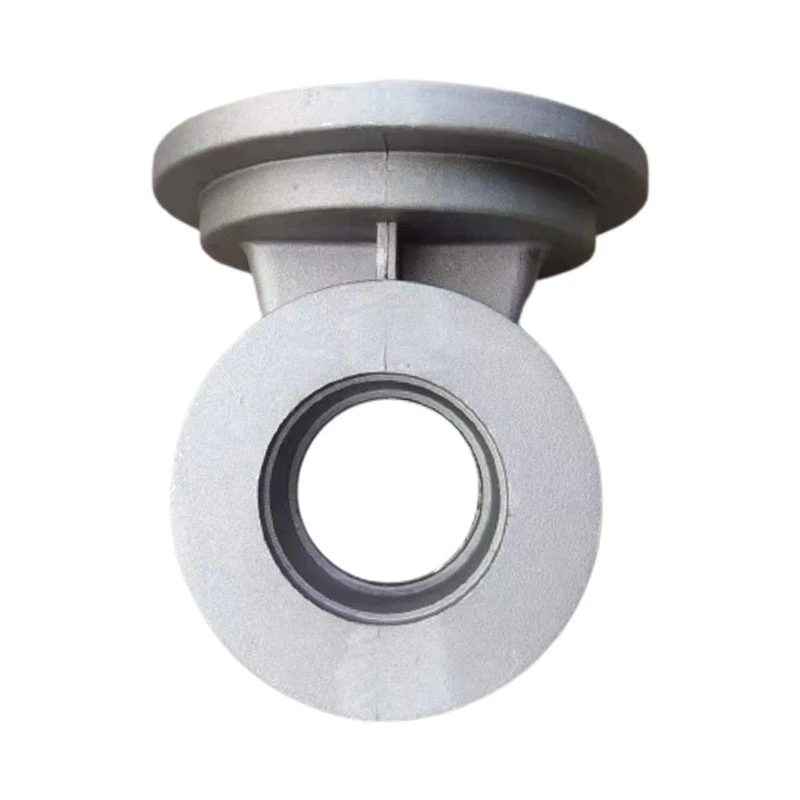
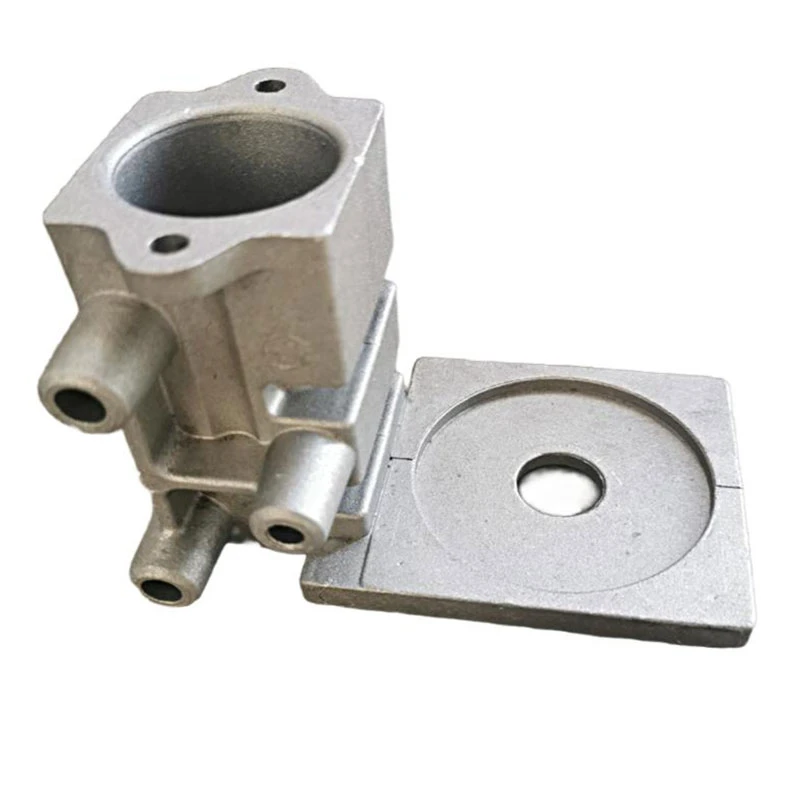
While sand casting isn’t typically associated with micro-scale detail like investment casting, advances in mold materials and techniques have pushed the boundaries dramatically. In industries like automotive engine blocks, pump housings, and heavy machinery parts, the kind of precision sand casting offers is often “good enough” — balancing complexity and cost-efficiency.
does sand casting produce intricate detailed parts with high precision continues to spark innovation as engineers combine it with digital modeling and novel molding compounds.
Key Factors Influencing Precision and Detail in Sand Casting
1. Sand Quality and Composition
Fine-grained, consistent sand results in smoother mold surfaces, allowing for better resolution of details. Binders (like clay or chemical resins) hold the shape, and improved formulations reduce imperfections and defects.
2. Pattern Accuracy and Material
Patterns made of wood, plastic, or metal define the shape poured into the mold. The more precise the pattern, the better the final casting. CNC-machined or 3D printed patterns can create intricate details with high repeatability.
3. Mold Making Techniques
The rise of automated molding machines and controlled sand compaction increases uniformity and lowers human error, which in turn boosts precision. There’s even hybrid sand casting that uses polymer coatings — a neat trick to capture finer details.
4. Metal Pouring and Solidification Control
How metal is melted, poured, and cooled affects shrinkage and distortion. Maintaining strict temperature control reduces casting defects and dimensional inaccuracies.
5. Post Casting Finishing
Grinding, machining, and heat treatments smooth surfaces and adjust dimensions — often needed to meet tight tolerances after casting.
| Specification | Typical Range | Comments |
|---|---|---|
| Dimensional Tolerance | ±0.25 mm to ±1.0 mm | Depends on complexity & size |
| Surface Roughness (Ra) | 2.5 to 12.5 μm | Improved sands reduce Ra |
| Max Part Size | Up to several tons | Scales well for large parts |
| Materials | Cast iron, aluminum, steel, bronze | Highly versatile alloys |
Mini takeaway: Multiple factors determine how far sand casting can push detail and precision — from sand to finishing touches. It’s not magic, but science applied carefully.
Global Applications: Where Does Sand Casting Shine with Fine Detail?
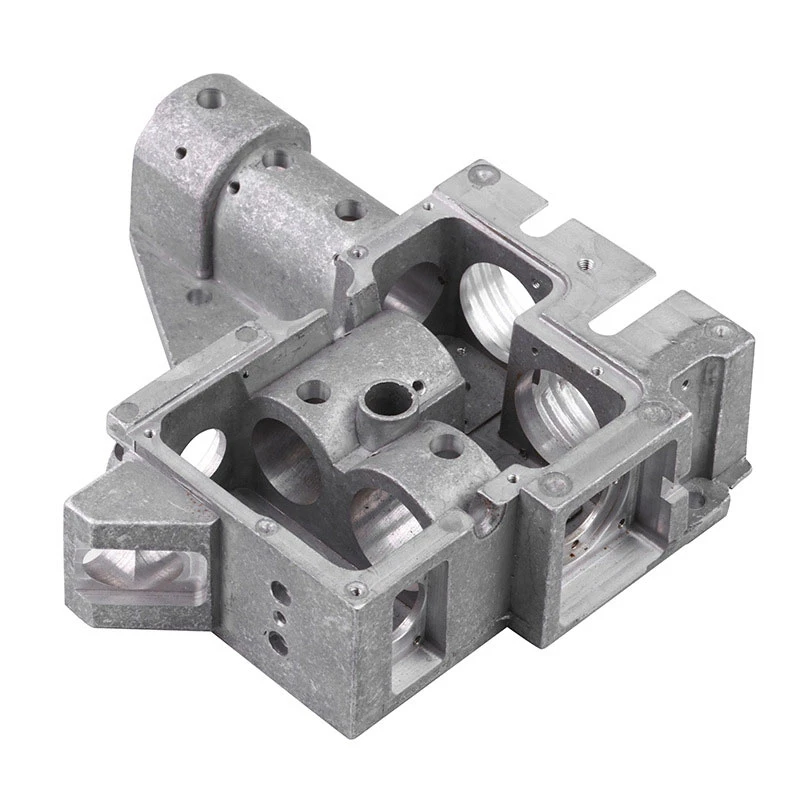
In automotive manufacturing — especially engine blocks and cylinder heads — sand casting creates complex internal cavities and intricate geometries that are critical for performance. Similarly, pump manufacturers rely on sand casting for detailed impellers and housings.
Regions with large metalfoundry sectors — think Asia, Europe, and North America — invest heavily in high-quality sand casting facilities. Meanwhile, developing countries use sand casting for infrastructure components and machinery parts in ways that often surprise outsiders with the precision achieved.
For instance, during post-disaster rebuilding efforts in Southeast Asia, sand casting allows rapid production of durable, customized repair parts for heavy equipment. This practical flexibility often wins over high-tech but slower manufacturing methods.
Advantages That Extend Beyond Precision
- Cost Efficiency: Low tooling costs and fast turnaround make sand casting ideal for both prototypes and large-scale production.
- Material Flexibility: Almost any metal alloy can be cast, lending versatility to designers.
- Scalability: Easily scaled from small batches to big pieces weighing tons.
- Environmental Impact: Innovations in sand recycling and binder use reduce waste and energy use.
- Social Impact: Supports local economies and skilled labor worldwide.
Honestly, knowing sand casting’s strengths helps engineers trust their designs won't break under pressure, which is reassuring when safety is on the line.
Future Trends & Innovations Driving Precision in Sand Casting
The merging of digital tech and traditional sand casting is fascinating — 3D printed sand cores and patterns are fine-tuning detail like never before.
Automation in mold handling reduces human errors and increases repeatability. More environmentally friendly binders and sand regeneration mean the process is also going green.
Plus, augmented reality and AI are starting to assist quality control, catching imperfections before molds get poured.
Common Challenges & How Experts Overcome Them
Though sand casting can produce intricate and fairly precise parts, it’s not flawless. Porosity, shrinkage, and surface roughness remain challenges. Skilled foundries combat these by:
- Optimizing mold venting and gating systems.
- Applying heat treatments post-casting to relieve internal stresses.
- Combining casting with CNC machining for critical surfaces.
- Implementing enhanced quality inspections, including X-ray and ultrasonic testing.
- Adopting hybrid molds (polymer-coated sands) to reduce defects.
Comparison of Leading Sand Casting Vendors
| Vendor | Precision (Tolerance) | Materials Offered | Lead Time | Typical Industries |
|---|---|---|---|---|
| Foundry A | ±0.3 mm | Aluminum, cast iron | 3-5 weeks | Automotive, pumps |
| Foundry B | ±0.5 mm | Steel, bronze | 4-6 weeks | Heavy machinery, oil & gas |
| Foundry C | ±0.25 mm | Alloy steels, aluminum | 2-4 weeks | Aerospace, automotive |
FAQ: Your Questions About Sand Casting Precision Answered
- Q: Can sand casting achieve micro-scale intricate features?
- A: While sand casting can produce relatively fine details, it’s typically not suited for micro-scale precision. For ultra-fine features, investment casting or additive manufacturing are better options. However, improvements in mold materials and digital patterning are closing that gap gradually.
- Q: How consistent is sand casting in producing repeatable detailed parts?
- A: With automated mold making and precise pattern work, foundries can achieve good repeatability. Still, slight variations can occur due to mold wear and sand quality. Critical surfaces often require machining to meet exact specs.
- Q: Are there alloys better suited for precise sand casting?
- A: Yes. Aluminum alloys, ductile iron, and certain steels respond well to sand casting and offer a good balance between detail and strength. Some alloys shrink less upon solidification, aiding precision.
- Q: What role does post-casting machining play in achieving precision?
- Most sand cast parts undergo machining on mounting surfaces or sealing areas. This compensates for any dimensional discrepancies and yields the final tight tolerances customers demand.
- Q: Is sand casting an eco-friendly process?
- Modern sand casting increasingly incorporates recycled sands and chemical binders with lower VOC emissions. While not perfect, many foundries focus on sustainability improvements without sacrificing quality.
Final Thoughts: Precision in Sand Casting Isn’t a Myth
So, does sand casting produce intricate detailed parts with high precision? Frankly, yes, but it depends on the context. When paired with modern techniques, quality sand and patterns, and proper finishing, sand casting proves to be a versatile and cost-effective partner to precision manufacturing worldwide.
Industries needing durable, complex parts at scale will continue to benefit — and innovation in this field means better results are just around the corner.
Want to explore how sand casting can fit your project? Check out solutions and expert advice at Hairun Sourcing.
References:
1. Wikipedia on Casting
2. United Nations Industrial Development Organization (UNIDO)
3. ISO 8062-3: Geometrical product specifications (GPS) – Dimensional tolerances for castings.
-
Comprehensive Guide to Automotive Die Casting for Enhanced Vehicle PerformanceNewsJan.27,2026
-
Comprehensive Guide to Aluminum Pressure Die Casting Manufacturing ProcessesNewsJan.27,2026
-
Hot Chamber Die Casting vs Cold Chamber Die Casting ExplainedNewsJan.06,2026
-
Hot Chamber And Cold Chamber Die Casting Solutions for Industrial Applications | Hairun SourcingNewsJan.06,2026
-
Hot and Cold Chamber Die Casting: Key Insights from Industry ExpertsNewsJan.06,2026
-
Comprehensive Guide on Graphite Die Casting for B2B Manufacturing | HairunSourcingNewsJan.05,2026