


What Is Precision Casting? A Guide to the Investment Casting Process and Its Global Impact
What Is Precision Casting? Understanding the Process That Shapes Modern Manufacturing
If you’ve ever held a finely detailed metal part—say, a component inside a jet engine or intricate jewelry—you’ve likely encountered the outcome of a process called precision casting. But what does precision casting really mean? Why does it matter on a global scale? Frankly, it’s one of those unsung heroes of manufacturing that keeps key industries humming smoothly, from aerospace to medical devices. Understanding it unlocks a peek into the delicate balance between art, science, and innovation that powers much of today’s advanced products.
Precision Casting in Today’s Industrial Landscape
Globally, manufacturing contributes approximately 16% of total GDP, according to the World Bank, and precision casting plays a vital role in providing the small-to-complex metal parts industries demand. It's a method known for delivering high-quality components with tight tolerances and excellent surface finish — qualities that traditional casting methods often can’t match. This explains why sectors like aerospace, automotive, power generation, and healthcare rely heavily on it. In fact, the global investment casting market alone is expected to hit around $11 billion by 2027 (MarketsandMarkets™). And this growth isn’t just about economics; it’s also about solving engineering challenges like weight reduction, durability, and environmental compliance.
Yet, there’s a twist: many manufacturers grapple with balancing cost, accuracy, and sustainability — a challenge precision casting addresses quite well.
Defining Precision Casting in Simple Terms
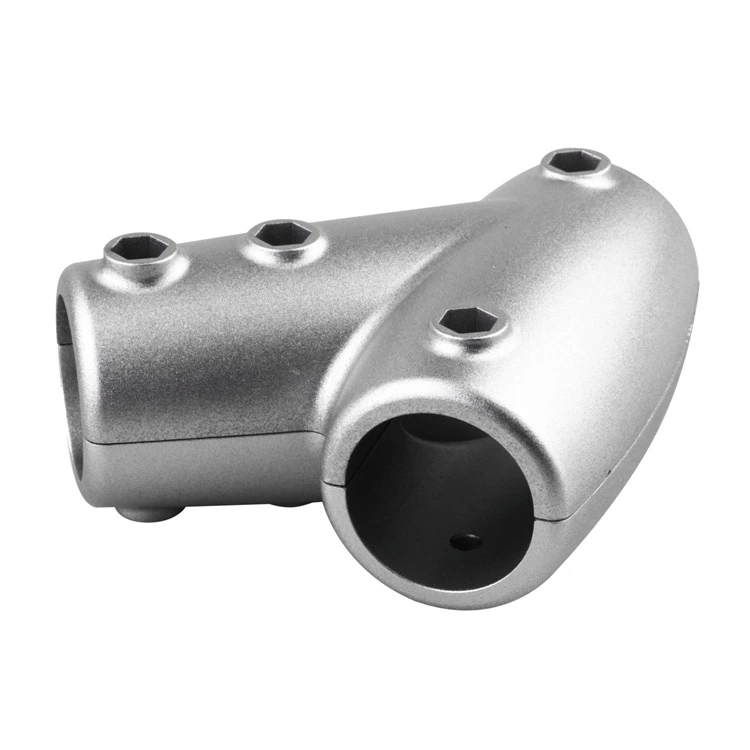
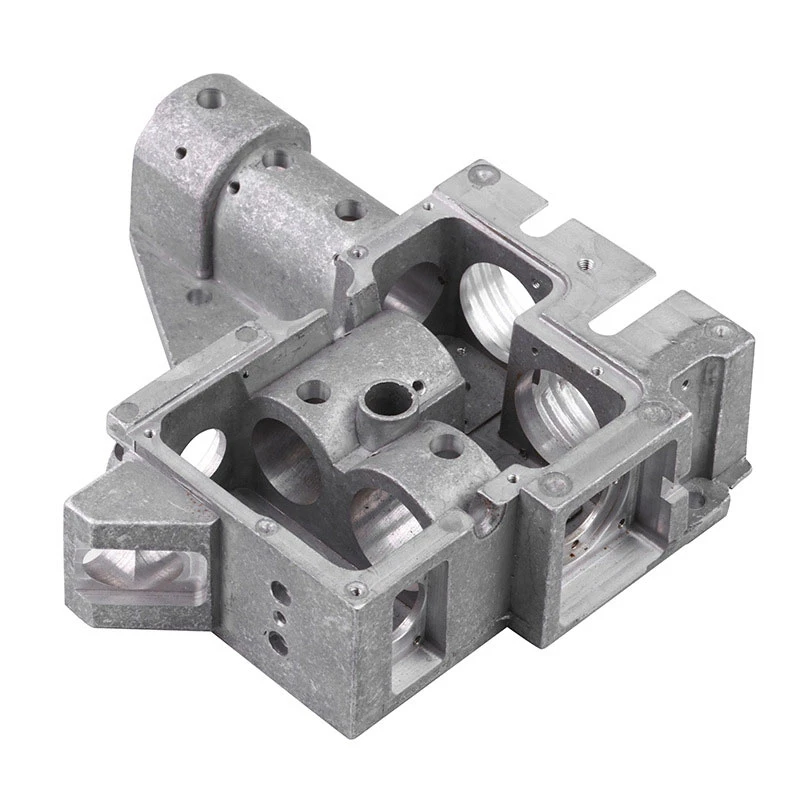
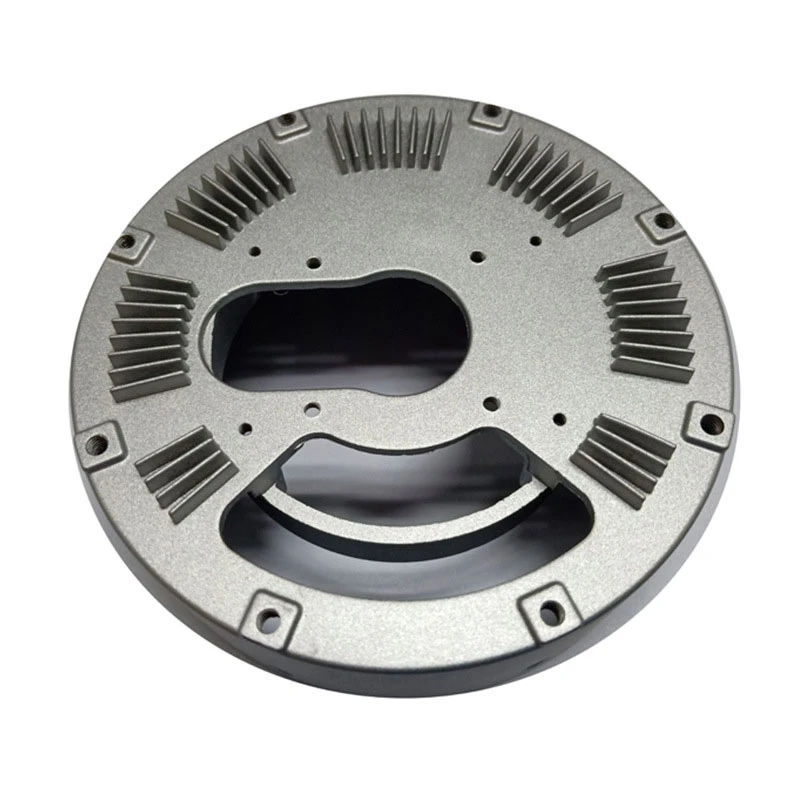
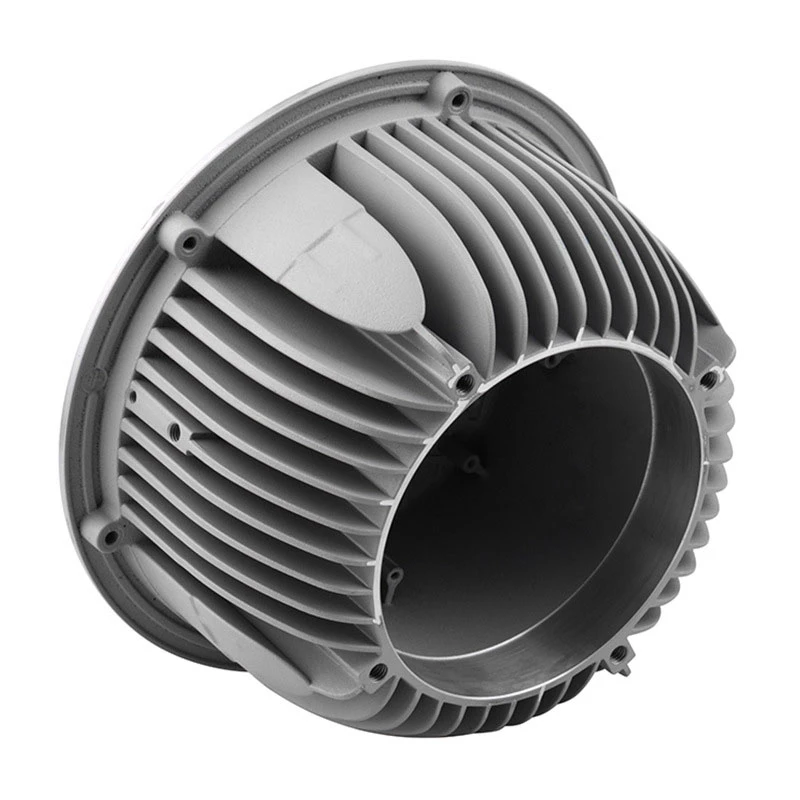
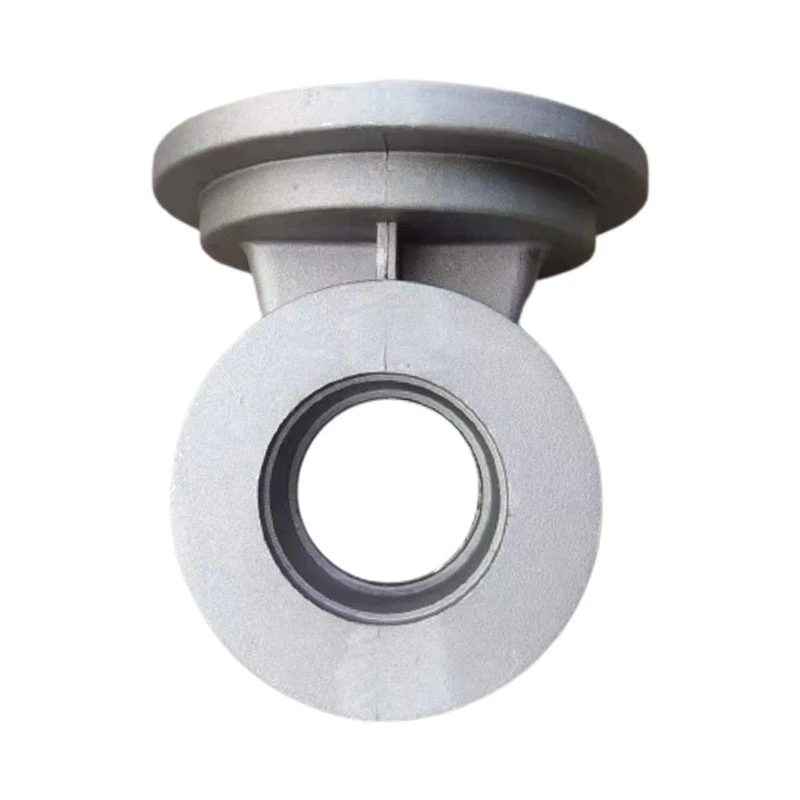
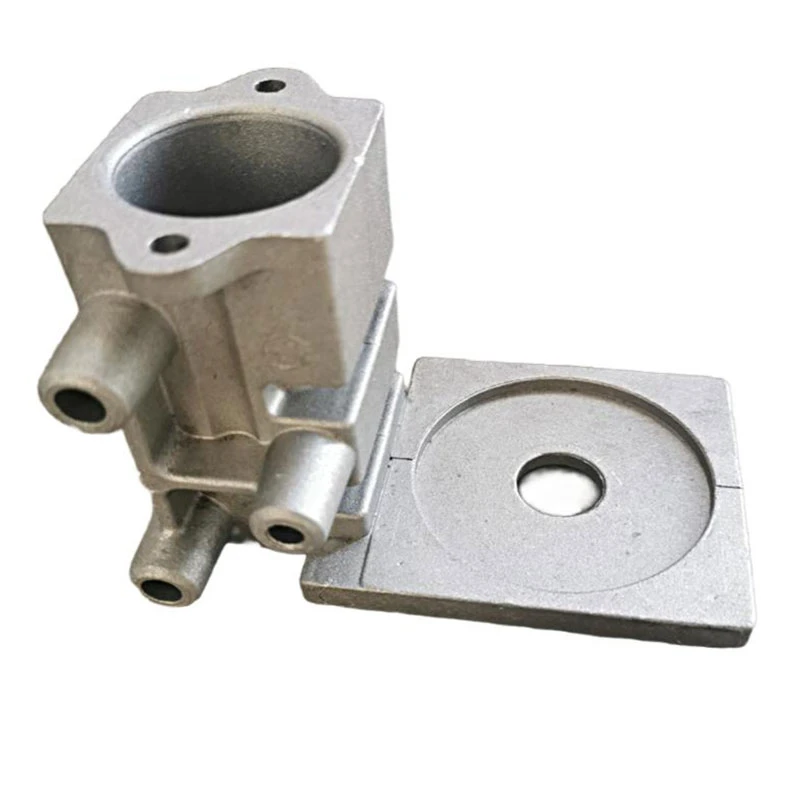
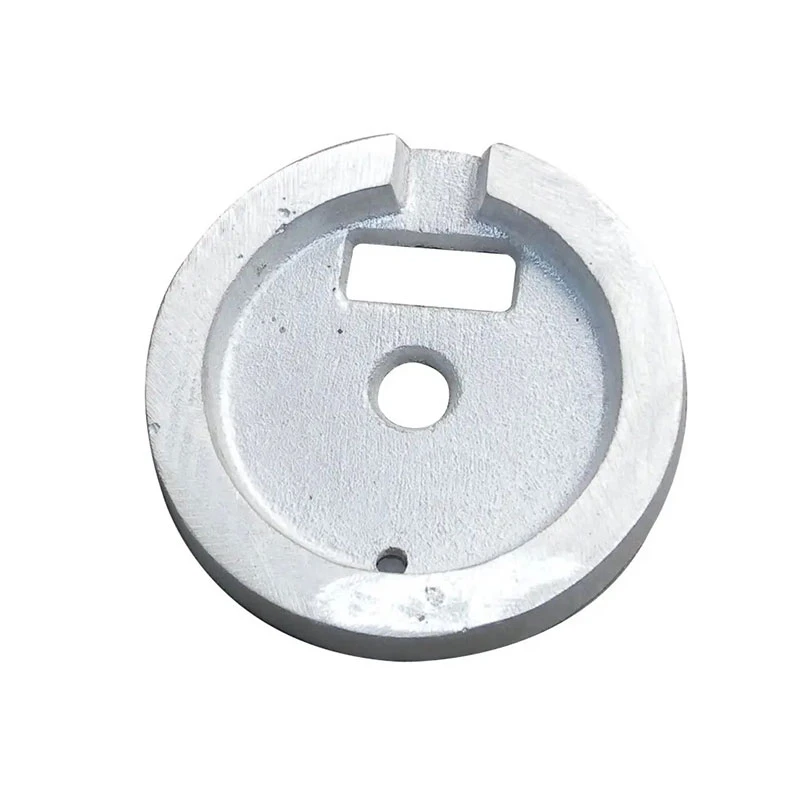
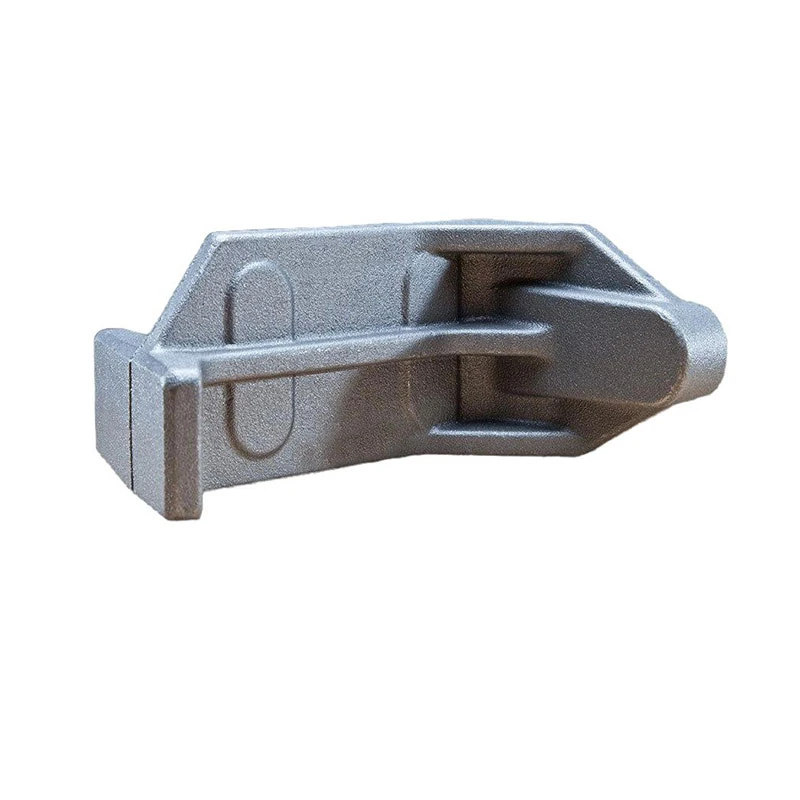
At its core, precision casting—also widely known as investment casting or the lost wax process—is a manufacturing technique where wax patterns are coated with a ceramic material to create a mold. Once the mold hardens, the wax melts away, leaving behind a hollow cavity into which molten metal pours. After cooling, the ceramic shell is broken away, revealing a detailed metal part.
The beauty? This method can produce intricate shapes and fine details without extra machining, saving time and material. Today’s industries value it not only for craftsmanship but also for meeting stringent standards and humanitarian needs, such as medical implants that require biocompatible metals and high precision.
Core Components and Key Factors of Precision Casting
1. Material Selection
The magic of precision casting partly lies in its material versatility. From stainless steels and superalloys to titanium and cobalt-chrome, materials can be chosen based on strength, corrosion resistance, or even thermal properties. This choice dictates where the part can be applied — jet turbines, surgical tools, or even art installations.
2. Mold Accuracy and Surface Finish
Unlike sand casting, precision casting’s ceramic molds yield near-net shapes with smooth finishes. This reduces costly secondary machining and ensures parts meet tight dimensional tolerances — often within a few thousandths of an inch.
3. Scalability and Repeatability
While precision casting can seem artisanal, automation and improved wax injection systems let manufacturers run hundreds or thousands of identical parts with consistent quality. This scalability is a game-changer for industries needing mass production of complex components.
4. Environmental Impact and Sustainability
Some might overlook it, but precision casting can reduce waste compared to traditional casting. Plus, many modern foundries recycle ceramic materials and wax, aligning with ISO 14001 environmental management standards.
5. Cost Efficiency
Though the upfront mold and tooling costs can feel steep, the reduced need for machining and high yield of usable parts often lead to lower overall expenses, particularly when producing complex components at scale.
Mini Takeaway:
Precision casting isn’t just an old-school craft: it’s a sophisticated synergy of material science, engineering, and sustainability, delivering parts that industries around the world really need.
From Aerospace to Art: Global Applications of Precision Casting
Precision casting’s reach spans continents and industries. In Europe, aerospace giants rely on it for turbine blades that can withstand extreme heat and stress. In Asia’s booming electronics sector, tiny metal connectors made through investment casting are indispensable. Meanwhile, in North America, medical companies mass-produce orthopedic implants thanks to the process’s versatility.
Taking a humanitarian angle, NGOs in disaster zones have turned to precision-cast parts for robust but lightweight equipment—think portable water pumps or medical devices—where reliability can literally save lives.
Example Use Case
Consider a remote industrial zone in South Africa where mining equipment needs durable, custom parts that won’t fail under pressure. Precision casting allows a manufacturer to produce replacement gears and valves on shorter notice, reducing downtime and improving worker safety.
Mini Takeaway:
The diversity in precision casting applications, geographic reach, and industry importance can’t be overstated — it’s truly global and vital.
Advantages and Long-Term Value of Precision Casting
- Precision and Consistency: High tolerance parts with minimal defects.
- Material Efficiency: Less scrap means less environmental impact and lower costs.
- Complex Geometry: Manufacture components impossible with other methods.
- Strong, Reliable Parts: Ideal for critical applications where safety matters.
- Economic Flexibility: Small batches or mass production, precision casting adapts.
On an emotional note, these benefits translate to trust — trust that the airplane will fly safely, or that a medical implant will heal without mishap. That’s something quality manufacturing processes like precision casting deliver day in and day out.
Future Trends and Innovations in Precision Casting
Here’s where it starts getting exciting: green energy pushes manufacturers to adopt lightweight alloys and new materials compatible with precision casting. Digital twin technologies and AI-driven simulations enhance mold design, reducing trial runs and waste. Plus, automation in wax pattern production and ceramic shell handling shortens cycle times, boosting output sustainably.
Additionally, research into bio-based waxes and recyclable ceramics reflects the broader push for sustainable manufacturing, tying into international eco-standards. It’s odd, and yet fitting, that a process rooted in ancient techniques now leads a high-tech and green revolution.
Challenges and Innovative Solutions
Of course, obstacles remain. High tooling costs can deter startups. Some complex alloys pose casting difficulties like shrinkage or porosity. But experts address these by improving mold materials and investing in better simulation software. Hybrid approaches—combining additive manufacturing (3D printing) with precision casting—allow rapid prototyping and cheaper tooling revisions.
Quick FAQ: What Is Precision Casting?
- Q1: How does precision casting differ from traditional sand casting?
- A1: Unlike sand casting, precision casting uses a ceramic mold made from a wax pattern, allowing for much finer detail, smoother surfaces, and closer dimensional tolerances—ideal for complex parts.
- Q2: Can precision casting be used for large-scale production?
- A2: Absolutely. While it started as a low-volume process, automation and improved tooling now enable manufacturers to efficiently produce thousands of identical parts without sacrificing quality.
- Q3: Are there environmental benefits to investment casting?
- A3: Yes. It reduces material waste compared to machining from billets, and many foundries recycle their ceramic shells and wax, minimizing landfill impact.
- Q4: What industries commonly rely on precision casting?
- A4: Aerospace, automotive, healthcare (especially implants), energy turbines, and fine art jewelry are among the main sectors benefiting from this method.
- Q5: How can companies new to precision casting get started?
- A5: Working with experienced foundries and leveraging CAD-based simulations helps in selecting suitable materials and designing efficient molds, reducing trial and error in early stages.
Realistic Product Specification Table: Typical Investment Casting Component
| Specification | Details |
|---|---|
| Material | Inconel 718 Superalloy |
| Maximum Dimension | 500 mm (19.7 in) |
| Tolerance | ± 0.1 mm |
| Surface Finish | Ra 1.6 μm |
| Batch Size Capability | Single units to 10,000+ |
| Lead Time | 6–8 weeks (typical) |
| Certification | ISO 9001, AS9100 |
Vendor Comparison: Leading Precision Casting Suppliers
| Supplier | Specialty | Typical Industries | Global Reach | Sustainability Initiatives |
|---|---|---|---|---|
| CastMakers Ltd. | High-temp alloys | Aerospace, Energy | North America, Europe | Recycling ceramics & wax |
| Precision Alloys Corp. | Medical implants | Healthcare, Dental | Asia, Europe | Green energy powered plants |
| EcoCast Solutions | Lightweight aluminum alloys | Automotive, Consumer Goods | Global | Biodegradable waxes, recycling |
Wrapping Up: Why Understanding What Is Precision Casting Matters
To sum it up, precision casting is more than just a manufacturing technique; it’s a blend of tradition and innovation that shapes many of the products we rely on every day. Its ability to produce highly detailed, reliable parts with sustainable benefits makes it invaluable across industries and regions. Whether for a jet engine blade or a lifesaving surgical implant, those tiny details carry huge weight. So, if your work or curiosity touches manufacturing or engineering, understanding what is precision casting isn’t just academic — it’s practical and future-forward.
Curious to dive deeper or explore partnerships? Visit our website at Hairun Sourcing — where expertise meets real-world manufacturing solutions.
References
- World Bank, Manufacturing, value added (% of GDP) — https://data.worldbank.org/indicator/NV.IND.MANF.ZS
- MarketsandMarkets, Investment Casting Market Research Report — https://www.marketsandmarkets.com/Market-Reports/investment-casting-market-49780453.html
- ISO 14001 Environmental Management — https://www.iso.org/iso-14001-environmental-management.html
-
Comprehensive Guide to Automotive Die Casting for Enhanced Vehicle PerformanceNewsJan.27,2026
-
Comprehensive Guide to Aluminum Pressure Die Casting Manufacturing ProcessesNewsJan.27,2026
-
Hot Chamber Die Casting vs Cold Chamber Die Casting ExplainedNewsJan.06,2026
-
Hot Chamber And Cold Chamber Die Casting Solutions for Industrial Applications | Hairun SourcingNewsJan.06,2026
-
Hot and Cold Chamber Die Casting: Key Insights from Industry ExpertsNewsJan.06,2026
-
Comprehensive Guide on Graphite Die Casting for B2B Manufacturing | HairunSourcingNewsJan.05,2026