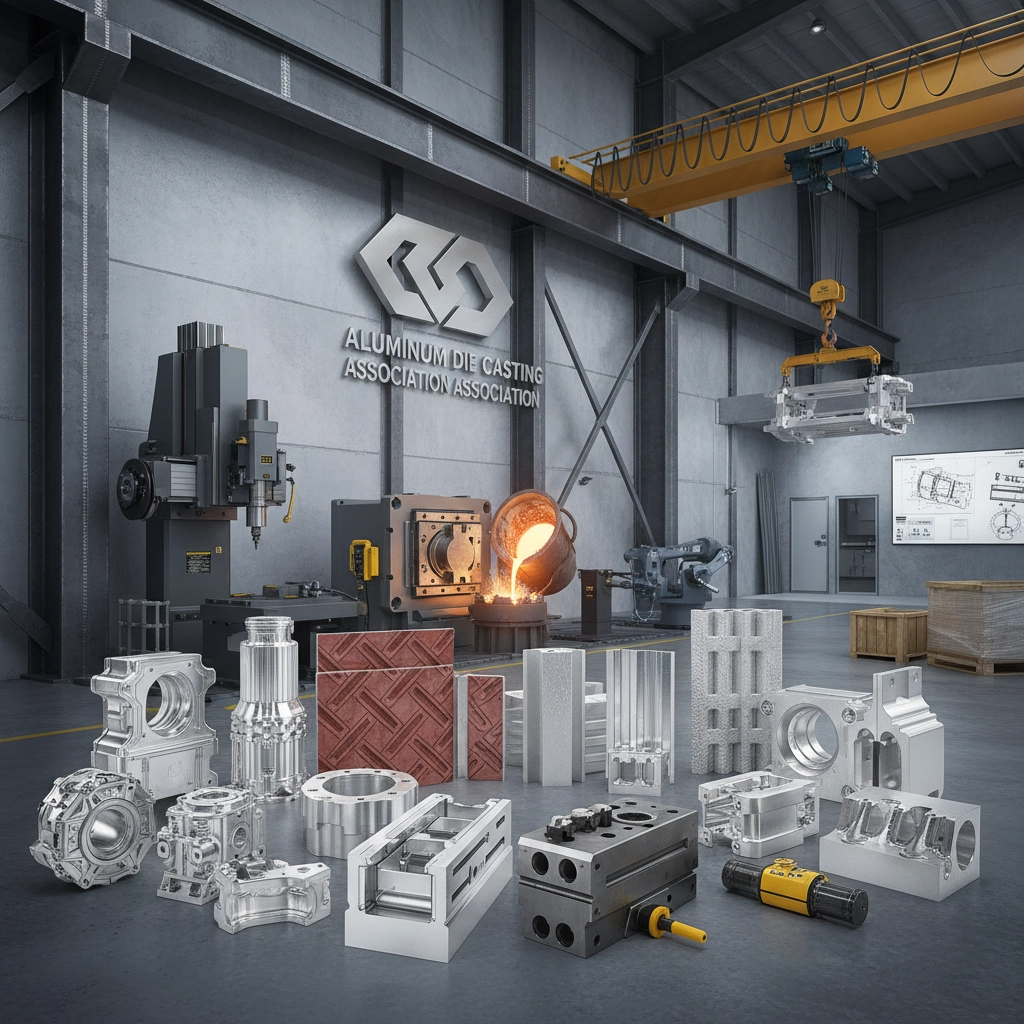
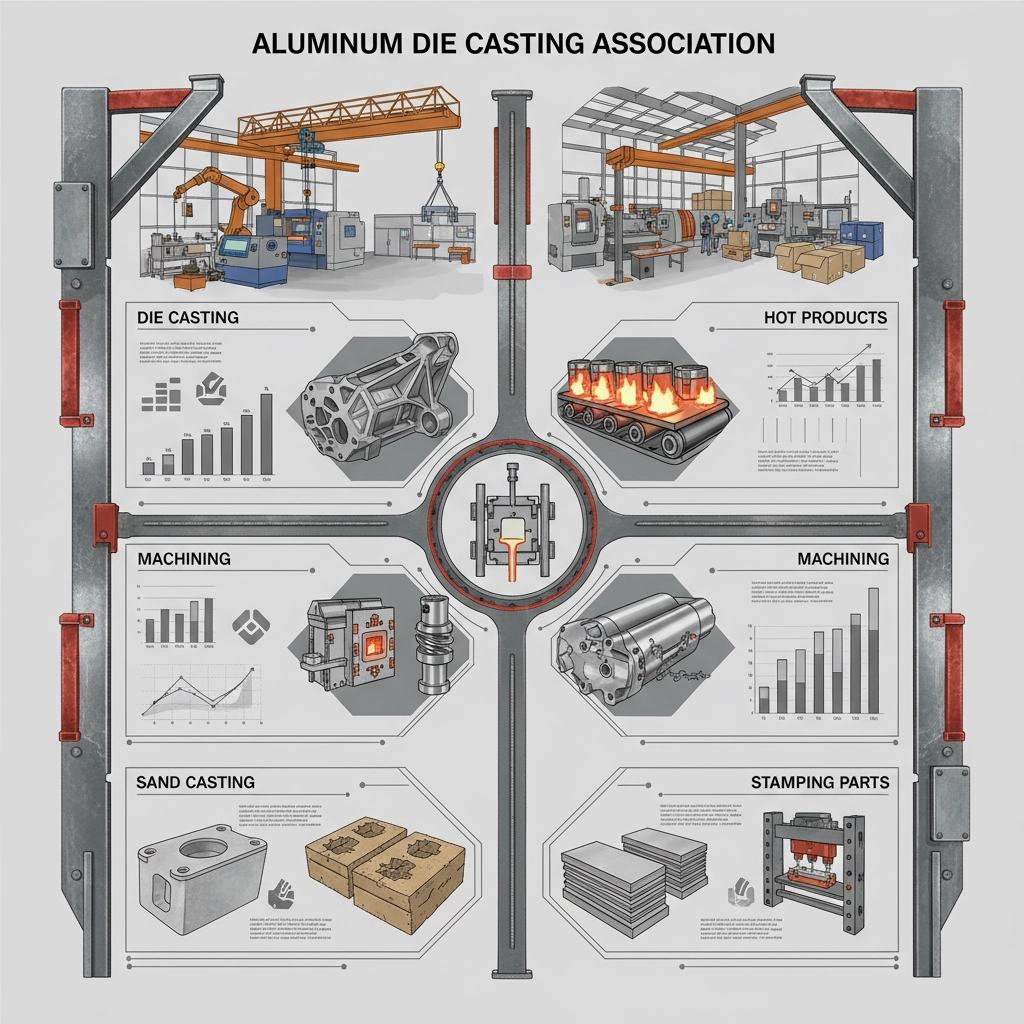
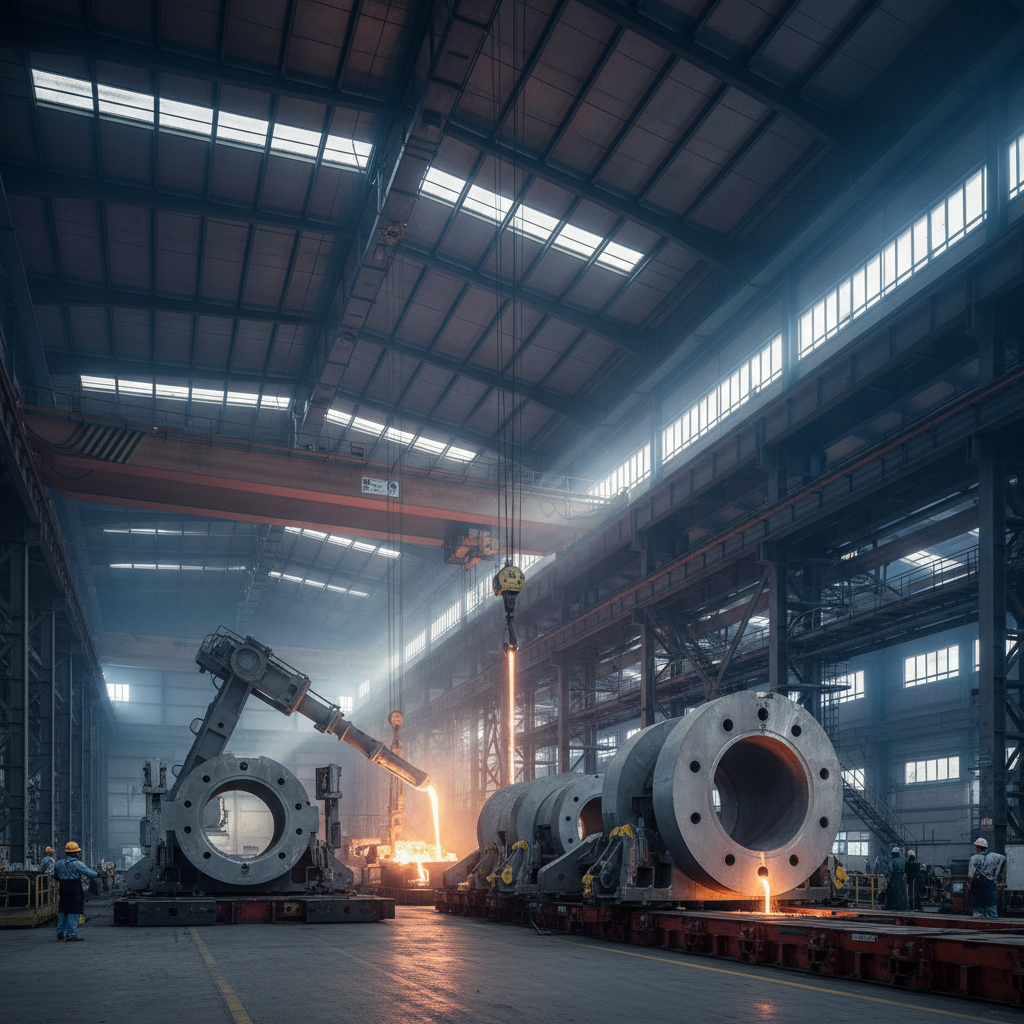
The global manufacturing landscape is undergoing a massive shift toward lightweighting and high-precision engineering, placing the aluminum die casting association at the center of industrial innovation. By unifying standards and fostering collaboration between metallurgists and engineers, these organizational frameworks ensure that aluminum components meet the rigorous demands of the automotive, aerospace, and electronics sectors.
Understanding the role of an aluminum die casting association is critical for procurement managers and engineers who seek to balance structural integrity with cost-efficiency. These associations provide the technical benchmarks and certification paths that allow manufacturers to scale production while maintaining the tight tolerances required for modern precision machining and complex assemblies.
Ultimately, the synergy provided by a professional aluminum die casting association drives the adoption of sustainable practices and advanced alloy developments. As the industry moves toward a circular economy, the collective knowledge of these bodies helps companies reduce scrap rates and optimize energy consumption during the casting process.
The Global Significance of Aluminum Die Casting Association
In an era of rapid industrialization, the aluminum die casting association serves as a vital bridge between theoretical metallurgy and practical mass production. Globally, the demand for aluminum components has surged due to the push for electric vehicles (EVs) and lightweight aerospace frames, where every gram saved translates directly into energy efficiency and lower carbon emissions.
By integrating ISO standards and sustainable manufacturing protocols, these associations help mitigate the volatility of raw material costs and ensure a consistent supply chain. For companies specializing in precision castings and stamping parts, following the guidelines of a recognized association is not just about compliance—it is about achieving a competitive edge in a saturated global market.
Defining the Role of an Aluminum Die Casting Association
At its core, an aluminum die casting association is a professional collective of manufacturers, engineers, and material scientists dedicated to advancing the art and science of forcing molten aluminum into steel molds. Rather than being a simple trade group, it acts as a knowledge hub where "tribal knowledge" is converted into documented technical standards, reducing the learning curve for new firms entering the precision casting space.
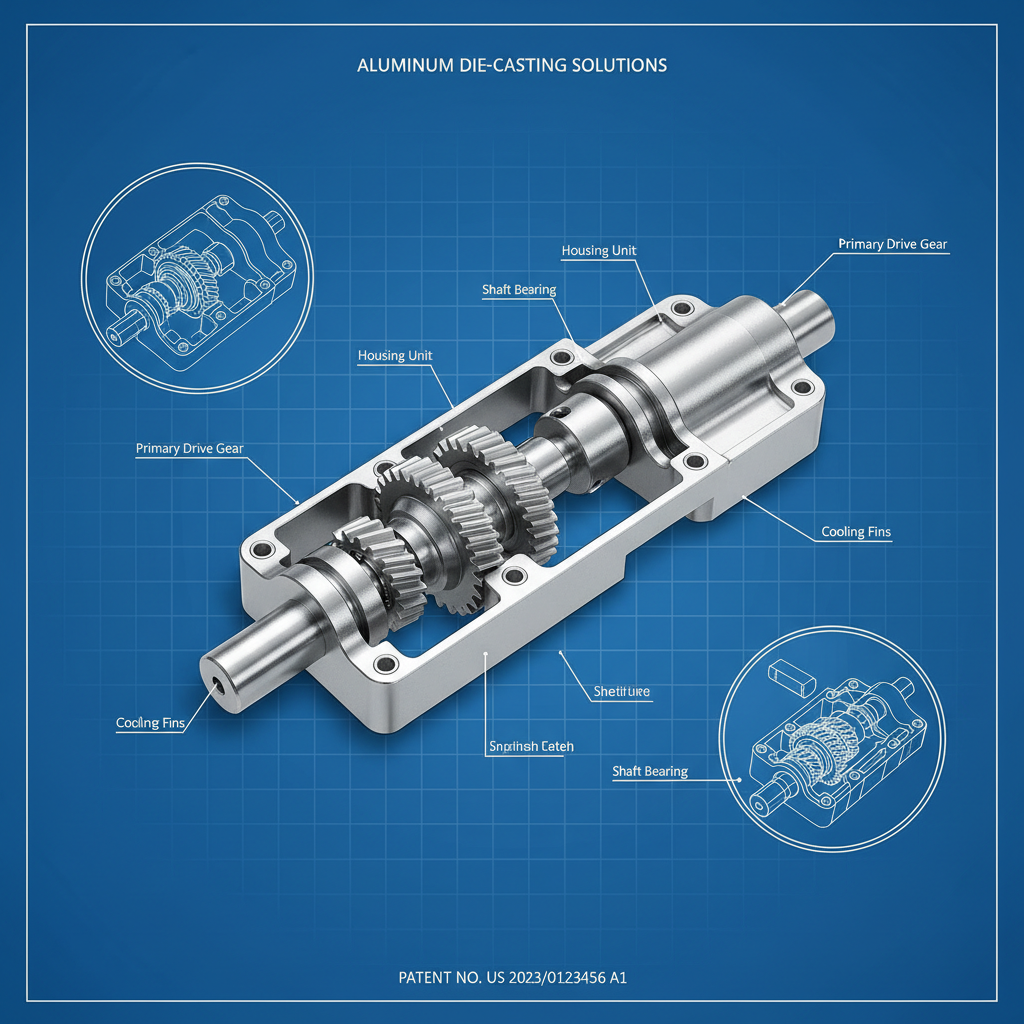
These associations address the inherent challenges of the casting process, such as porosity, shrinkage, and thermal fatigue of the dies. By providing a platform for sharing failure analysis and successful case studies, the aluminum die casting association ensures that the industry evolves collectively, preventing individual companies from repeating costly mistakes in mold design or alloy selection.
Furthermore, the connection to modern humanitarian and environmental needs is profound. By promoting the use of recycled aluminum and energy-efficient furnace technologies, these associations help the industry align with global ESG (Environmental, Social, and Governance) goals, transforming a traditionally energy-intensive process into a cornerstone of the green industrial revolution.
Core Components of Industry Standardization
The first pillar of any reputable aluminum die casting association is Material Consistency. Ensuring that alloys like A380 or ADC12 maintain the same chemical composition across different suppliers is essential for predicting the mechanical properties of the final part, especially in safety-critical automotive components.
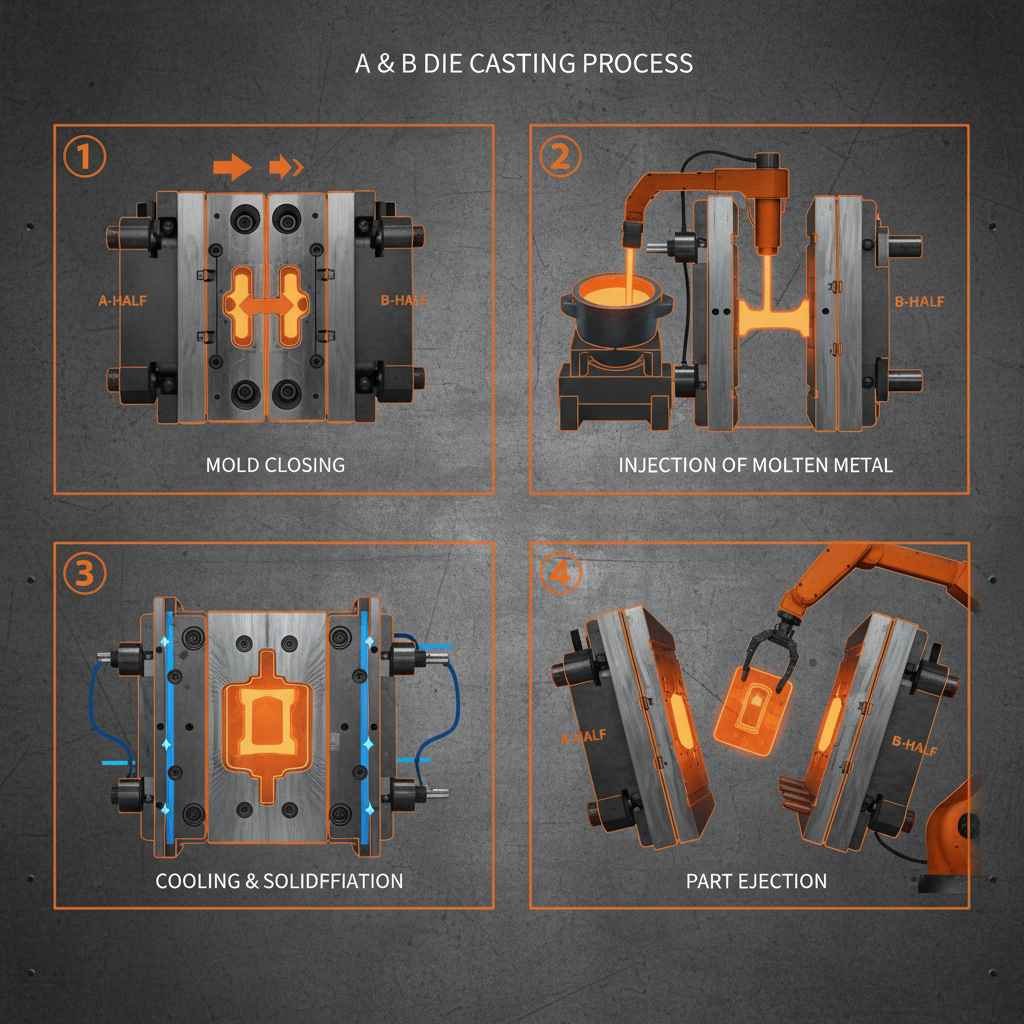
Secondly, the aluminum die casting association emphasizes Process Repeatability. By standardizing the injection pressure, cycle times, and cooling rates, manufacturers can guarantee that the ten-thousandth part is identical to the first, which is a prerequisite for any high-volume machining operation.
Finally, Quality Certification plays a pivotal role. Through rigorous auditing and the implementation of E-E-A-T (Experience, Expertise, Authoritativeness, and Trustworthiness) principles in technical documentation, associations provide the trust layer necessary for international trade in high-precision aluminum castings.
Practical Applications and Scalability Metrics
The practical application of standards from an aluminum die casting association is most evident in the transition from prototyping to mass production. In the early stages, sand casting may be used for validation, but as volume increases, the transition to high-pressure die casting (HPDC) allows for unprecedented scalability and cost reduction per unit.
Whether it is producing heat sinks for 5G base stations or complex engine blocks for hybrid vehicles, the metrics for success—such as cycle time reduction and scrap rate minimization—are derived from the collective data shared within these professional networks.
Efficiency Metrics via Aluminum Die Casting Association Standards
Strategic Advantages of Association Membership
Joining an aluminum die casting association offers more than just networking; it provides a layer of logical and emotional security. From a logical standpoint, members gain access to the latest alloy research and tool-steel specifications, which significantly reduces the risk of premature die failure and unplanned downtime.
From an emotional and brand perspective, association membership signals to global clients that a manufacturer is committed to excellence and transparency. This trust is invaluable when bidding for high-stakes contracts in the aerospace or medical device industries, where the cost of failure is catastrophic and the demand for reliability is absolute.
Future Innovations in Casting Technology
The future of the aluminum die casting association is inextricably linked to the digital transformation of the factory floor. We are seeing a surge in "Industry 4.0" integration, where IoT sensors embedded in the dies provide real-time feedback on temperature and pressure, allowing for AI-driven adjustments that eliminate defects before they happen.
Furthermore, the shift toward "Green Aluminum"—produced using renewable energy and high percentages of recycled content—is becoming a primary focus. Associations are currently developing new certification labels to help customers verify the carbon footprint of their cast parts, turning sustainability into a measurable commercial asset.
Automation is also redefining the labor landscape. From robotic sprue cutting to automated X-ray inspection, the association's role is to create training modules that upskill the workforce, ensuring that human expertise in metallurgy is augmented, rather than replaced, by automation.
Overcoming Challenges in Die Casting Production
Despite the advancements, the industry faces persistent challenges such as the rising cost of energy and the scarcity of skilled die-makers. Many firms struggle with internal porosity in thick-walled sections, a problem that often requires a fundamental redesign of the gating system—a process that can be daunting without expert guidance.
The aluminum die casting association addresses these hurdles by promoting the use of simulation software (such as MagmaSoft or ProCAST). By simulating the metal flow and solidification process digitally, engineers can optimize the design in a virtual environment, drastically reducing the number of physical mold iterations.
Moreover, to combat the skill gap, associations are partnering with technical universities to create standardized curricula. This ensures that the next generation of engineers understands the delicate balance between thermal dynamics and mechanical stress, preserving the craft of die casting while modernizing its execution.
Comparative Analysis of Die Casting Challenge Solutions
| Common Challenge |
Association Recommended Solution |
Implementation Complexity |
Expected Impact |
| Gas Porosity |
Vacuum-Assisted Die Casting |
High |
9/10 |
| Die Thermal Fatigue |
Advanced H13 Steel Heat Treatment |
Medium |
8/10 |
| High Scrap Rates |
AI-Driven Process Monitoring |
Medium |
7/10 |
| Surface Roughness |
Optimized Mold Coatings |
Low |
6/10 |
| Dimensional Instability |
Precision Thermal Control Systems |
High |
9/10 |
| Energy Inefficiency |
Induction Melting Upgrades |
Medium |
8/10 |
FAQS
The primary goal is to standardize production methods, enhance material quality, and foster innovation across the industry. By creating shared benchmarks for precision and sustainability, these associations help manufacturers reduce waste and improve the reliability of aluminum components for global clients.
Small shops gain access to high-level technical data and alloy specifications that would otherwise be too expensive to develop independently. It also provides a "trust seal" that allows them to compete for larger contracts by proving their adherence to industry-standard quality controls.
Yes, through the dissemination of best practices in vacuum casting and gating design. Associations often provide technical white papers and simulation guidelines that help engineers identify air traps in the mold, significantly reducing internal porosity and improving structural strength.
They act as the regulatory and advisory body that defines what constitutes "sustainable" casting. This includes setting standards for the use of secondary (recycled) aluminum and promoting the adoption of energy-efficient furnaces to lower the overall carbon footprint of the manufacturing process.
Absolutely. Most aluminum die casting association guidelines are designed to complement and support ISO 9001 and IATF 16949 certifications. They provide the industry-specific technical "how-to" that fulfills the broader quality management requirements of ISO.
Most associations maintain a public directory of certified members who have passed specific quality audits. You can search these directories by region or capability (e.g., precision machining or sand casting) to ensure your supplier meets the required technical standards.
Conclusion
The aluminum die casting association is far more than a professional club; it is the foundational infrastructure that ensures the stability, quality, and evolution of the metal casting industry. From the standardization of alloys to the adoption of AI-driven process controls, the collective efforts of these associations allow manufacturers to push the boundaries of what is possible in lightweight engineering.
As we look toward a future defined by electric mobility and sustainable urban infrastructure, the role of these bodies will only grow in significance. Companies that align themselves with these industry standards will not only achieve greater operational efficiency but will also lead the charge in creating a more sustainable, high-precision industrial future. For those seeking a reliable partner in this space, visiting our website at www.hairunsourcing.com is the first step toward quality excellence.